



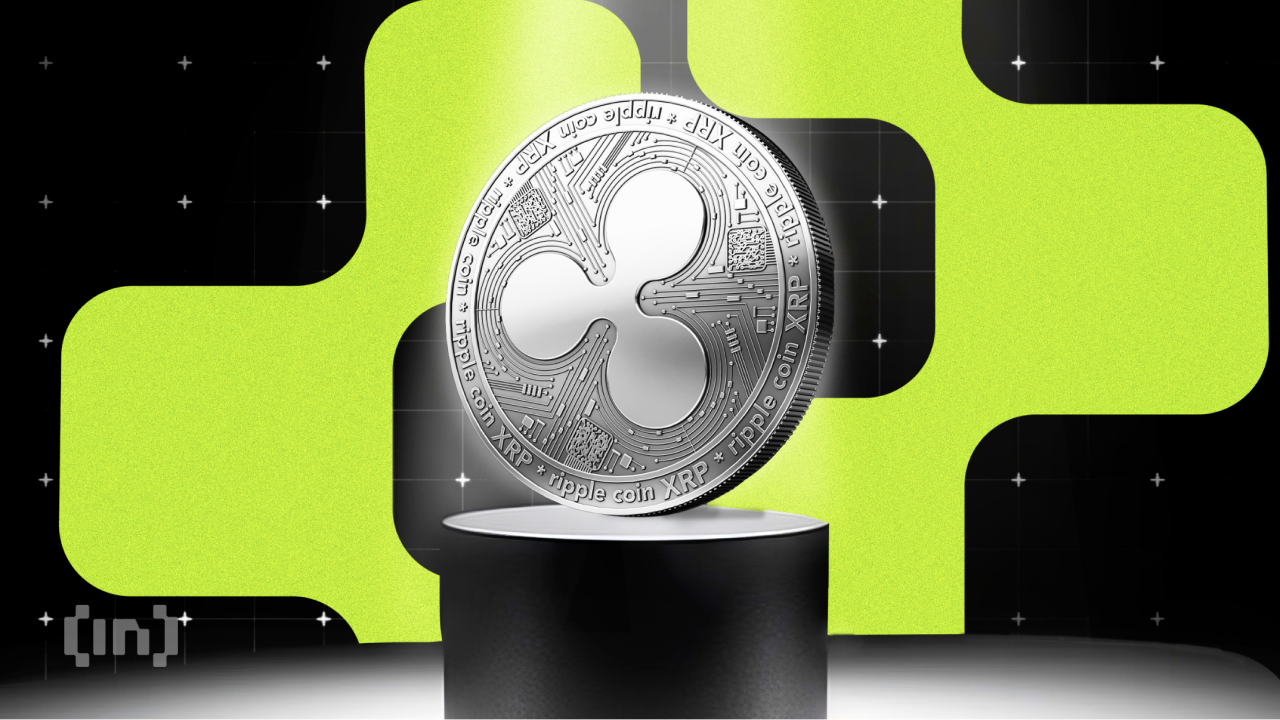
Ripple confirmed this week that it has no plans to go public, citing its strong financial position and no need for external funding following its recent $500 million raise.
The move reflects broader caution as the company is closely monitoring political and regulatory changes in the U.S. and is likely waiting for more favorable conditions before moving forward with an initial public offering.
sponsored
Ripple postpones IPO
On Wednesday, Ripple President Monica Long confirmed that the company has no plans for an IPO, at least in the foreseeable future, ending months of speculation.
The announcement follows Ripple’s $500 million funding round led by affiliates including Fortress Investment Group, Citadel Securities, and Pantera Capital.
The investment values the company at $40 billion, leaves it well-capitalized with billions of dollars in reserves, and eliminates the need for external financing.
This financial cushion puts the San Francisco-based blockchain company in a good position. You can remain private while avoiding the transparency and regulatory scrutiny that comes with listing.
sponsored
A recent interview with Ripple CEO Brad Garlinghouse revealed that the company remains cautious about the US market, with Garlinghouse confirming to CNBC that Ripple has no plans to go public anytime soon.
“Going public is still not a short-term priority for us. We keep our eye on it… But for now, we’re focused on building and have a balance sheet that allows us to execute on these multi-billion dollar acquisitions and continue to grow the business,” he said.
Uncertainty surrounding the 2026 US midterm elections may be making Ripple Labs more strategically cautious.
sponsored
Be patient in the 2026 midterm elections
The results of the upcoming midterm elections could significantly change the U.S. regulatory space for cryptocurrencies. Recognizing this, Ripple Labs may be responding strategically with caution.
Republicans currently hold a 53-47 majority in the Senate, and only need to gain a net four seats to regain full control after the 2026 election.
However, this success is not guaranteed.
sponsored
Just this week, recent Democratic victories in New York City, Virginia, and New Jersey have particularly destabilized Republicans.
Ripple’s business model and timing of its listing depend on the regulatory environment in its home country of the United States, so it appears the company is waiting until the political waters calm down.
Depending on the outcome of the next election, if Congress and the executive branch favor cryptocurrencies, the regulatory risk of listing will decrease. However, unfavorable configurations can increase the burden of scrutiny and disclosure.
This strategic waiting game highlights Ripple’s deliberate patience in timing its listing.
