




The Federal Reserve on Wednesday cut its benchmark interest rate by 25 basis points to 3.75% to 4.00%, the second rate cut this year.
The central bank said economic growth remained moderate, although employment growth has slowed and the unemployment rate has risen slightly. However, inflation remains “moderately high,” and the Fed remains cautious about further policy easing.
Sponsored Sponsored
Fed balances inflation and labor market risks
The decision also confirmed that the Fed will end quantitative tightening on Dec. 1, effectively halting balance sheet shrinkage earlier than expected.
The statement highlighted growing downside risks to employment, a shift from previous meetings that focused primarily on inflation.
The Fed said it would evaluate future policy based on the “balance of risk” against “prospective policy” and its dual mandate.
Chairman Jerome Powell and most members supported the move, but two opposed it. Stephen Millan supported a deep 50bp rate cut, citing weak employment data.
economic background
Available indicators indicate that although growth continues at a moderate pace, key labor policies are softening. The unemployment rate remains low, but the Fed acknowledged it has risen slightly since the summer.
Sponsored Sponsored
Inflation has been accelerating since early 2025, raising concerns that prices could remain above the 2% target for longer than expected.
Futures markets are currently pricing in a 70% chance of another 25 basis points cut in December.
However, Powell is expected to emphasize a data-driven approach in his press conference.
Virtual currency market outlook
Policy shifts may increase risk appetite in the short term. Bitcoin and major altcoins often benefit from increased liquidity and lower bond yields.
Leading KOLs such as MicroStrategy’s Michael Saylor and Robert Kiosaki have previously predicted that the Bitcoin price will exceed $150,000 by the end of 2025.
But prolonged inflation could limit widespread enthusiasm. If inflation expectations rise again, risk assets, including cryptocurrencies, could face new pressure from stronger dollar flows.
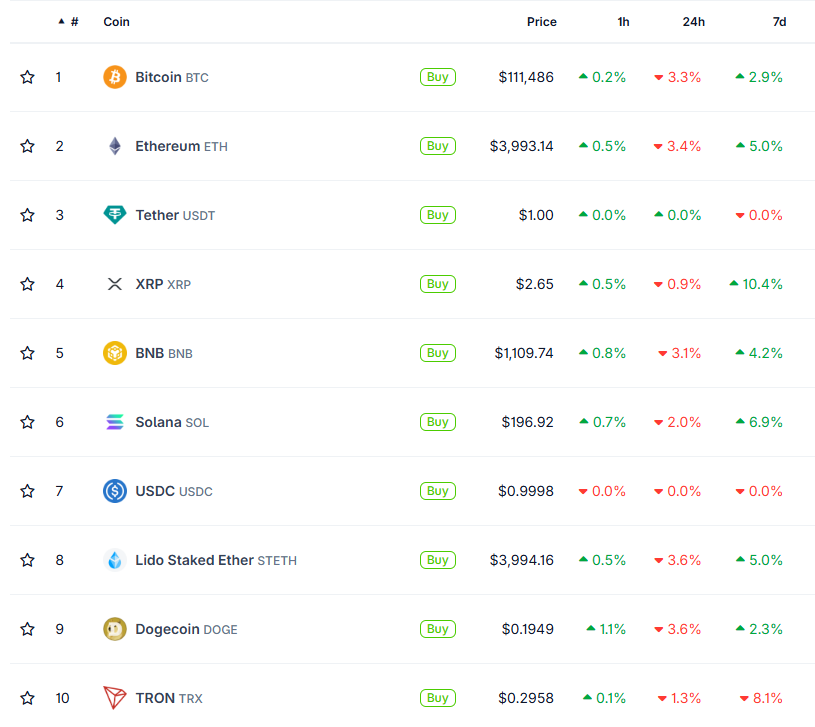
Analysts say the balance between easing and inflation will determine the next stage for the crypto market.
Bitcoin could rise above key resistance levels if liquidity continues, but a hawkish tone in December could reverse these gains.
