




“Extreme fear” sentiment returned to the market in the last week of January. This mood gave rise to short positions. However, multiple data points suggest that some altcoins could cause large-scale liquidations due to their specific factors.
This week, altcoins such as Ethereum (ETH), Chainlink (LINK), and River (RIVER) could cause liquidations totaling nearly $5 billion. Here’s why:
Sponsored Sponsored
1. Ethereum (ETH)
Ethereum’s 7-day liquidation map shows a severe imbalance between the potential cumulative liquidations of short positions and the potential cumulative liquidations of long positions.
Specifically, if ETH recovers to $3,200 this week, short sellers could face liquidation losses of over $4.8 billion.
There are clear reasons for traders to be cautious. Analyst CW uses data from Ethereum Whales and Retail Delta to show that whales have regained control of ETH over the past week. This indicator has turned from negative to positive and continues to rise rapidly.
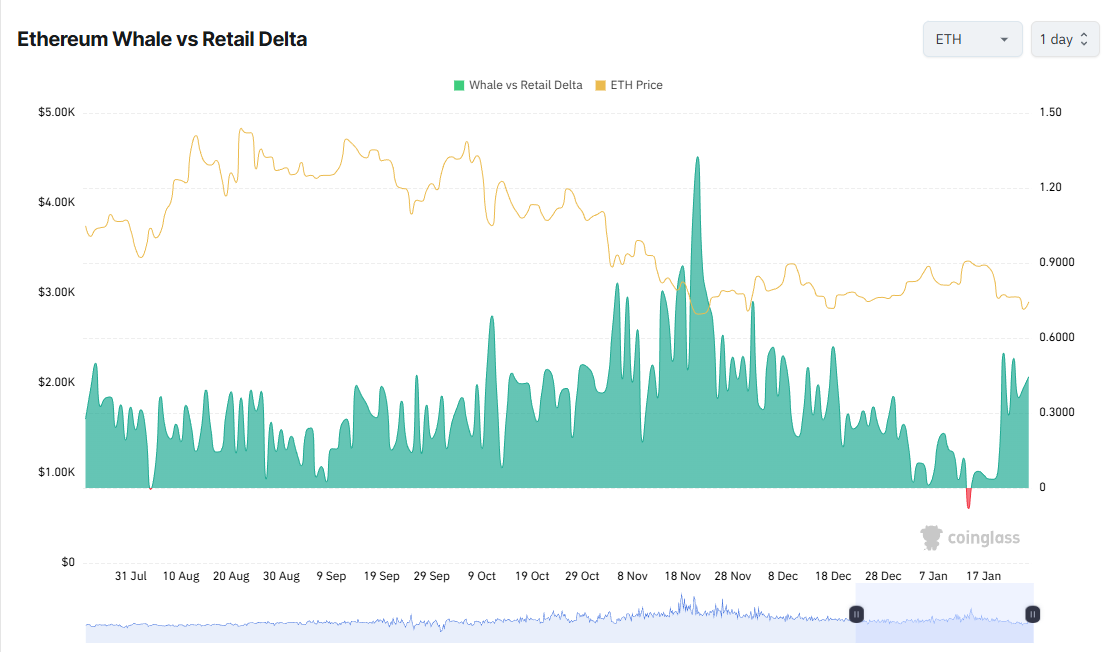
Analyst CW said: “While retail investors are being liquidated, whales are increasing their long positions. Retail investors are the ones who will suffer from this decline. Whales will continue to strike fear until they give up.”
A recent BeInCrypto report also shows that while ETH has fallen below $3,000, many whales have increased their accumulations. This action can fuel a rebound and result in significant losses for short positions.
Sponsored Sponsored
2. Chain Link (LINK)
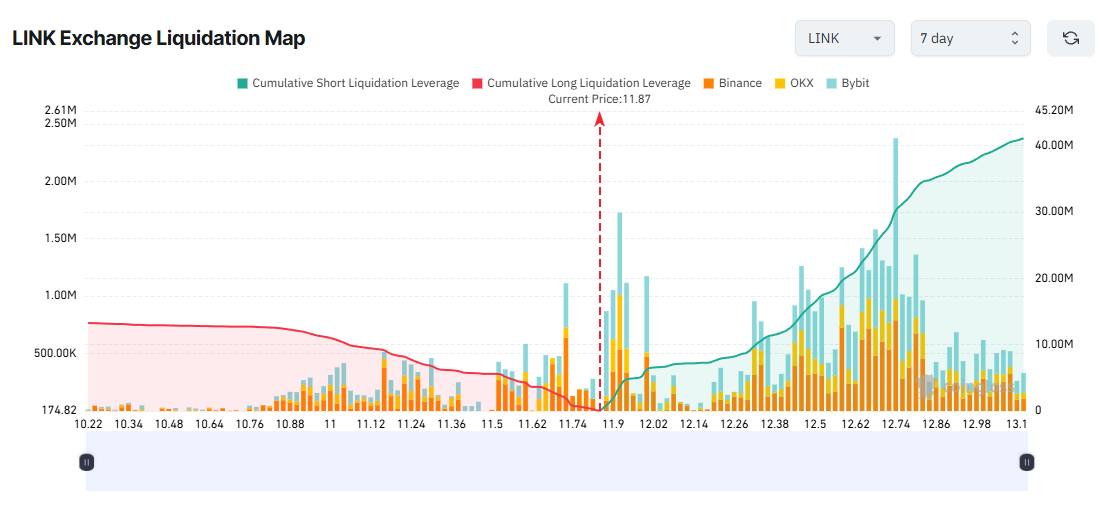
Similar to ETH, LINK is also experiencing imbalances on its liquidation map. Negative sentiment across the altcoin market in late January prompted derivatives traders to allocate more capital and leverage to short positions in LINK.
As a result, these traders will incur even larger losses if LINK recovers. If LINK recovers to $13 this week, the total potential cumulative liquidation of short positions could exceed $40 million.
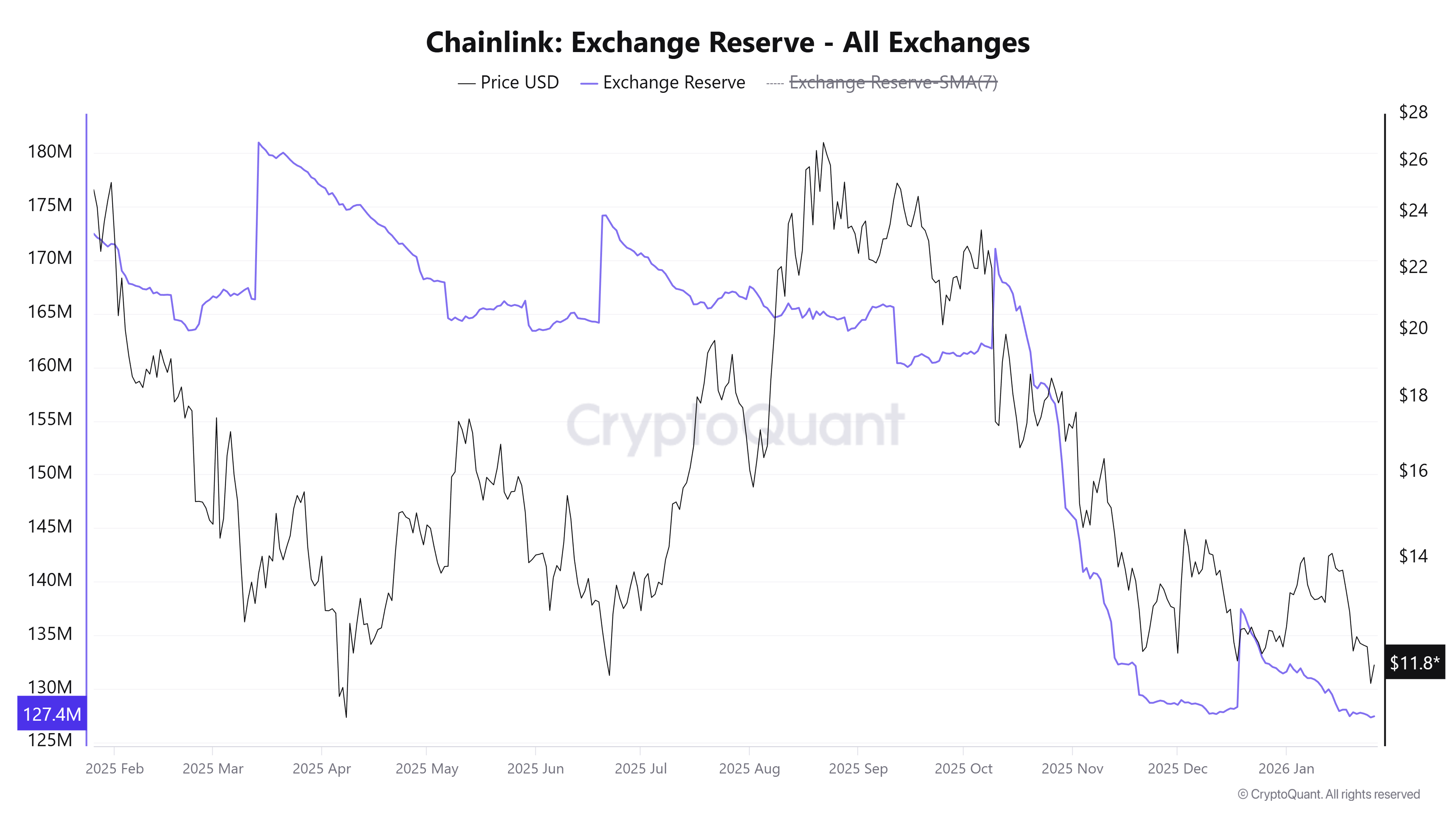
Meanwhile, LINK reserves hit a monthly low in January, according to exchange data, according to CryptoQuant. This chart shows that despite the price drop, investors continue to accumulate LINK and withdraw it from exchanges. This behavior reflects long-term confidence in the asset.
Furthermore, data from on-chain analytics platform Santiment identifies LINK as one of the undervalued altcoins following the recent market downturn.
Sponsored Sponsored
If the accumulation pressure increases while prices are falling, an unexpected rebound may occur. Such a move would increase the liquidation risk for LINK short sellers this week.
3. RIVER
River is a decentralized finance (DeFi) protocol that creates a chain-abstracted stablecoin system. This allows users to deploy collateral on one blockchain and access liquidity on another without using bridges or wrapped assets.
RIVER’s market capitalization rose against the broader market, reaching a new high of over $1.6 billion. Just a month ago, the company’s market capitalization was below $100 million.
This rapid rise has caused many traders to engage in FOMO behavior. As a result, long positions may prevail and a large amount of liquidation value may remain in the long position.
Sponsored Sponsored
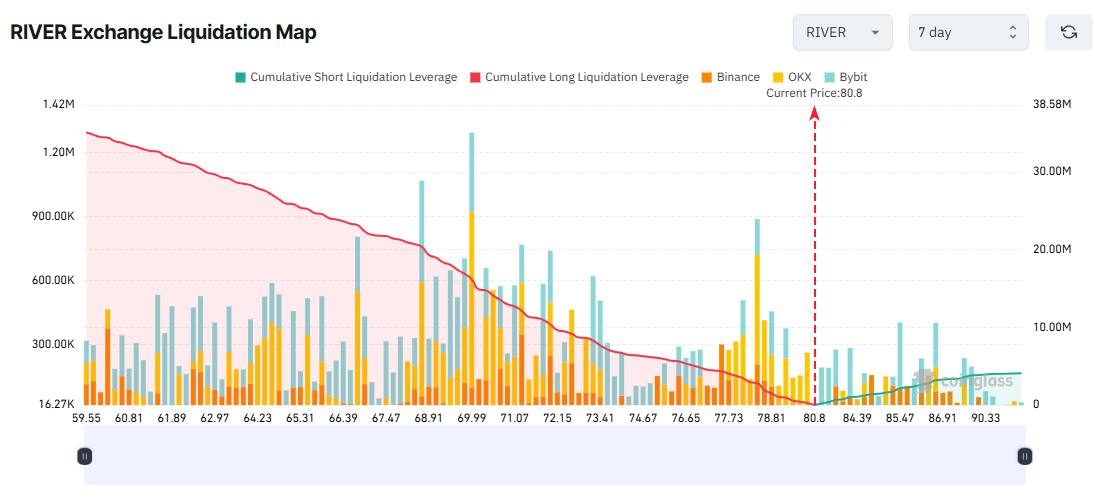
If the river unexpectedly falls below $60 this week, long positions could suffer liquidation losses of up to $35 million.
Is this scenario possible? On-chain data provides some warning signals. According to Etherscan data, the top five river wallets control over 96.6% of the total supply, indicating extreme concentration.
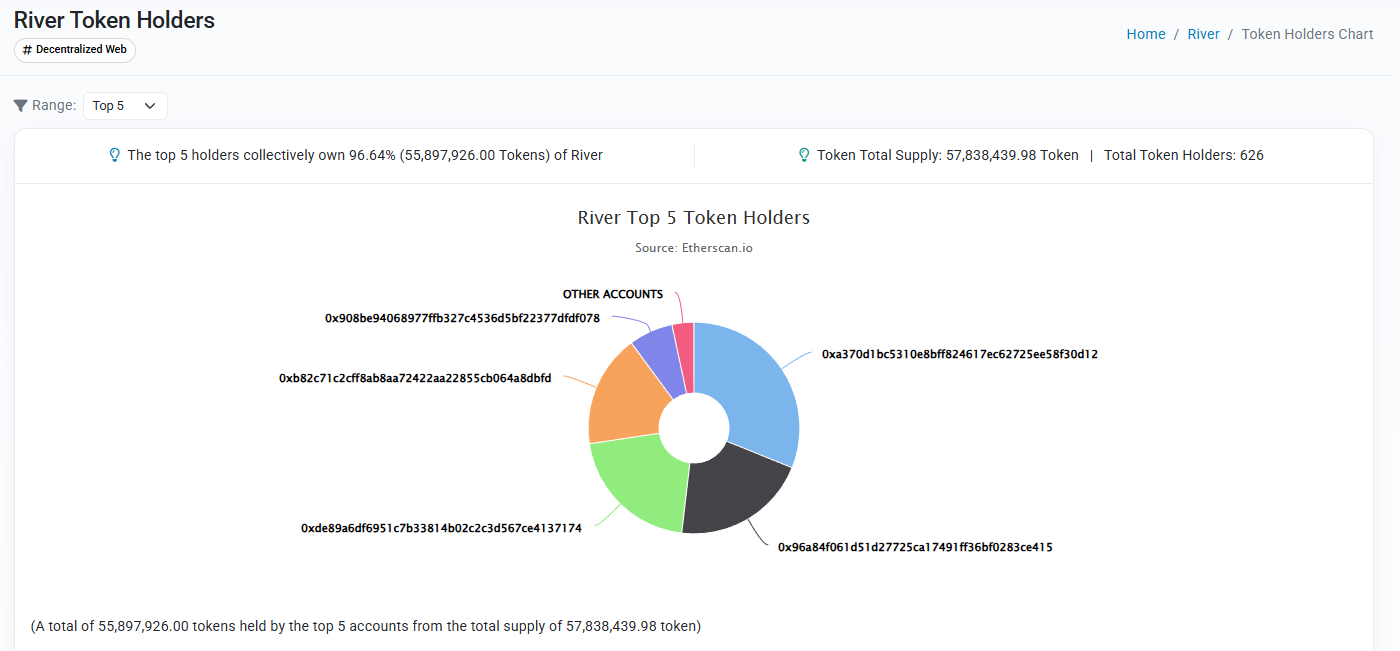
“It’s controlled by insiders, that’s the tweet. Keep operating. It started with MYX, COAI, AIA and ended up with almost zero. Be careful,” investor Honey said.
While some investors are confident that River will reach $100 soon, others are also expressing doubts and starting to worry about a price reversal. Such a reversal could create significant liquidation risk for long positions in RIVER.
These altcoins represent different market trends in the altcoin space at the end of January. Analysts largely agree that the altcoin market is becoming more selective. Only assets that attract interest from institutional investors are likely to sustain capital inflows and long-term growth.
