




Bitcoin soared above $95,000 on Tuesday, hitting its highest level in more than 50 days, as easing inflation in the United States and rising geopolitical risks sparked a broader move into the crypto market.
The rally came after the US State Department warned Americans to “leave Iran now” and prepare for a prolonged communications outage.
The warning comes as large-scale protests continue across Iran, a hardening of Washington’s rhetoric against Iran and growing concerns about a broader regional conflict escalating.
sponsored
US CPI removes key macro and geopolitical risks, reviving Bitcoin’s attractiveness as a hedge
The US travel warning to Iran provided a second trigger. When the risk of war increases, markets often move toward safer or alternative assets.
Bitcoin is increasingly being traded as a geopolitical hedge during global crises. The combination of a potential escalation of the situation in the Middle East and the internet shutdown in Iran has reinforced Iran’s role as an asset outside of government control.
As the headlines grew, traders quickly migrated to Bitcoin and other liquid crypto assets.
Bitcoin started the day near $91,000 but rose more than 5% within hours. The broader crypto market also rose, with the prices of Ethereum, Solana, and XRP surging.
The rise began earlier in the day after the U.S. consumer price index showed inflation was moving at a steady pace. Prices are still rising, but not accelerating.
That’s important for cryptocurrencies. If inflation is under control, the Federal Reserve does not need to raise interest rates further. It also avoids the risk of a sudden recession caused by aggressive tightening.
For investors, it creates a safer backdrop for holding risky assets such as Bitcoin. The CPI report removes significant downside risk just as Bitcoin stabilizes after weeks of ETF-led selling.
sponsored
Bull market signs are changing
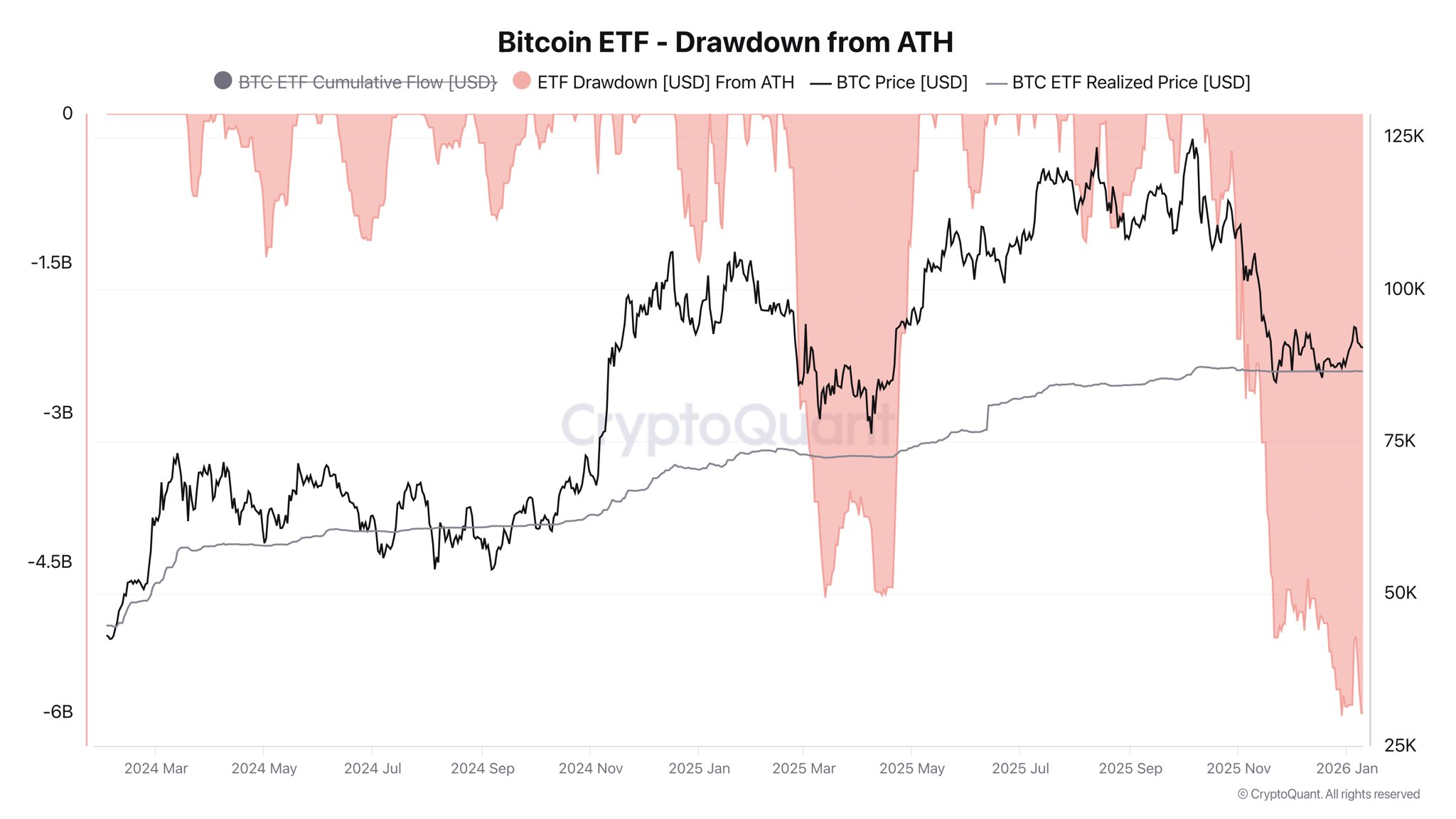
This movement didn’t come out of nowhere. In early January, the U.S. Spot Bitcoin ETF saw more than $6 billion in outflows as buyers exited at a loss late in the October rally.
This sell-off brought Bitcoin down to around $86,000, the ETF cost standard, and the pressure eased. ETF flows have since stabilized, suggesting that the washout phase is nearly complete.
At the same time, currency data showed global buyers were absorbing ETF-led supply, while U.S. financial institutions were pausing rather than exiting the market. Coinbase premium turned negative, indicating caution rather than a washout.
sponsored
Get $100,000 back in Bitcoin?
Bitcoin rose above $93,000 after a CPI report suggested the sell-off had gotten out of control. New demand was confirmed as the price exceeded $95,000.
As inflation stabilizes and ETF pressures subside, geopolitical stress triggers forcing sidelined capital back into the market.
For now, Bitcoin is rebuilding momentum after a mid-cycle reset. If ETF inflows resume and geopolitical risks remain high, traders will look to $100,000 as the next big test.
This rally shows that Bitcoin continues to function as both a macro asset and a crisis hedge in a volatile world.
